

close
Choose Your Site
Global
Social Media
Views: 0 Author: Site Editor Publish Time: 2026-03-18 Origin: Site


You help make clean transportation better when you pay attention to ev battery production. Coating rollers from Shangyun Ceramic let you put electrode materials on very carefully. This careful work makes a smooth layer. The smooth layer keeps the battery safe and helps it work better. If the coating is too thick, it can crack or break when drying. If it is too thin, the battery might not hold as much power. The right roller settings control how much material you use and how thick the electrodes are. This helps ions move better inside the battery. Picking the right roller also helps the environment because it makes the process faster and less wasteful.
Coating rollers help spread electrode material smoothly and evenly. This makes batteries work better and last longer. Picking the right coating roller is very important. Ceramic-coated and chrome-plated rollers are two choices. Each type fits different production needs. Dry coating methods use less energy and are better for the environment. They do not need harmful solvents or drying steps. Keeping the coating thickness the same is important for battery efficiency. Even small changes can cause problems with how batteries work. Shangyun Ceramic gives custom roller solutions and engineering help. This helps make battery production better.
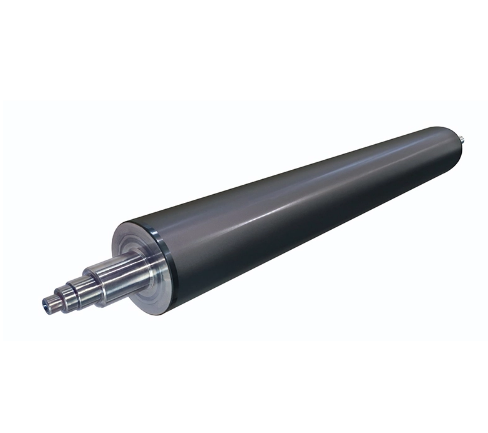
Coating rollers help put thin layers of material on surfaces. In battery factories, you use them to spread electrode slurries on metal foils. This step matters because it affects how well batteries work. You want each layer to be smooth and the same thickness. If you do this right, batteries last longer and store more energy.
There are different types of coating rollers. Each type works best for certain jobs. Here is a table to compare them:
Roller Type / Material | Key Properties and Application in Electrode Coating |
|---|---|
Ceramic-Coated Micro Gravure | Hard surface, resists chemicals, great for fine and even coatings, perfect for battery electrodes |
Chrome-Plated Steel | Very hard, resists wear and rust, works well for fast and long production runs |
Engraved Steel (Uncoated) | Costs less, needs more care, best for short jobs or gentle materials |
Shangyun Ceramic offers many choices. You can pick a Multi-Use General Coating Roller for basic jobs. For more control, try the Laser-Engraved High-Precision Coating Roller. If you want a special finish, the Mirror-Matte Finish Ceramic Roller works well. For battery lines, the Lithium-Battery Ceramic Micro-Gravure Roller gives steady results.
Tip: The right roller material helps your machine last longer and makes maintenance easier.
You use coating rollers to put a mix of active material, binder, and solvent on thin metal foils. The roller spreads this mix in a thin, even layer. After coating, the foil goes through a dryer. The solvent leaves, and you get a solid electrode layer. Uniformity is important. If your coating is even, your battery works better and lasts longer. Small changes in thickness can cause problems, so you want a roller that gives the same result every time.
Custom engineering lets you match the roller to your needs. Shangyun Ceramic can help you pick the right size, surface, and pattern. This support lowers your risk and helps you get the best results for battery production.
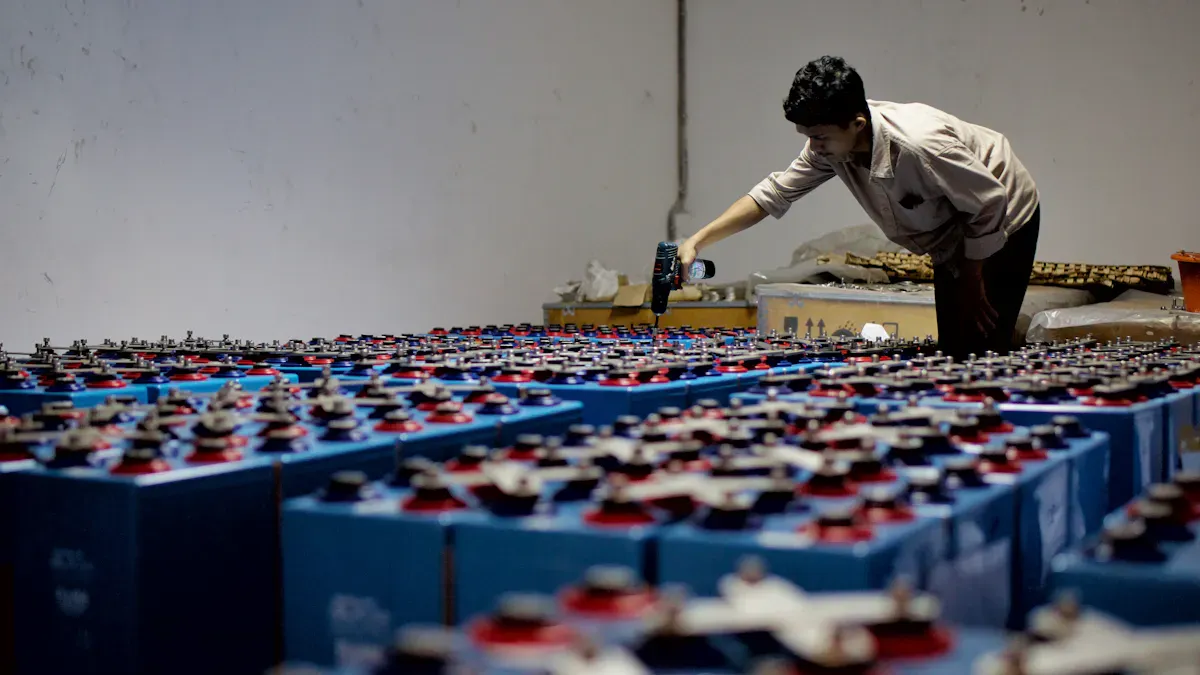
Coating rollers help shape and put the active material on metal foils. This step matters because it affects how much energy the battery stores and how long it lasts. When the foil goes through the rollers, you do more than spread the material. You press and smooth it, which helps in different ways:
Surface Smoothing: The rollers make the electrode surface flat. This stops sharp edges from hurting the separator inside the battery.
Density Enhancement: Pressing the active material packs more into the same space. This makes the battery store more energy.
Improving Conductivity: The rollers help the active particles and conductive agents touch better. This lets electricity flow more easily.
Strengthening Adhesion: The rollers press the active material onto the metal foil. This keeps the material from falling off when charging or discharging.
You can change the gap between the rollers and their speed. This controls how thick and dense the electrode layer is. If you make the gap wider, you get a thicker and denser electrode with less empty space. If you speed up the rollers, you load more mass onto the foil and pack the particles tighter. This lowers resistance for ions moving through the battery, which helps it work better.
Wider calender gaps make thicker, denser electrodes with less empty space.
Faster roller speeds load more mass and reduce empty space, helping ions move.
Shangyun Ceramic makes special coating rollers for lithium battery lines. These rollers help you get the right thickness, density, and adhesion every time. You can trust them to give steady results, even when making many batteries quickly.
Note: Good adhesion and high density help your battery last longer and work safely.
You can use different ways to put the active material on the foil. The two main ways are wet slurry and dry coating. Each way has its own steps and benefits.
Aspect | Wet Coating | Dry Coating |
|---|---|---|
Process | Uses a slurry of particles and solvent | Uses dry powders directly on metal foils |
Drying Requirement | Needs drying to stop cracking | No drying needed |
Solvent Usage | Uses toxic solvents that must be recovered | No solvents used, making it simpler |
Equipment Complexity | Needs drying ovens and solvent recovery systems | Factory design is simpler and needs less equipment |
Energy Consumption | High because of drying and solvent handling | Lower because drying is not needed |
Production Speed | Slower because drying takes time | Faster, making ultra-thin batteries possible |
Cost Implications | Costs more because of complex processes | Costs less because the process is simpler |
With wet slurry, you mix the active material with a solvent to make a thick liquid. You use coating rollers to spread this liquid onto the foil. Then you must dry the foil to remove the solvent. This step uses a lot of energy and needs special equipment to handle the solvent safely.
Dry coating is different. You start with dry active material and put it right onto the foil with coating rollers. You do not need to dry the foil after. This makes the process faster and uses less energy. You also avoid toxic solvents, which is better for the environment.
Dry coating is not just a small change. It removes steps like mixing solvents, drying ovens, and solvent recovery. This means you use less energy, need less equipment, and have fewer problems with defects.
Dry coating has many advantages over wet coating:
Lower environmental impact because no solvents are used.
No toxic solvents like NMP, so the process is safer.
Faster production because you skip drying.
Less energy use since drying ovens are not needed.
Easier safety rules because cleaner materials are used.
Shangyun Ceramic’s coating rollers work well with both wet and dry coating. Their lithium-battery ceramic micro-gravure rollers help you get a smooth, even layer of active material. You can use them to improve battery production and make better batteries with less waste.
You want your EV batteries to work well and last longer. Coating rollers help you do this. High-precision rollers make the electrode layer smooth and even. This helps your battery perform better in many ways:
The electrode gets good porosity and density. This lets ions move quickly.
Rollers make the active material stick tightly to the foil.
You avoid slippage and micro-cracking. This keeps the battery strong.
Uniform density means ions move well and energy density is higher.
If you keep the coating thickness and composition steady, your batteries will last longer and stay safe. Consistency is important for battery life.
You can save money and make batteries faster with coating rollers. These tools help you use less material and waste less. Here is how they help:
Roll-to-roll systems give even layers. You see fewer defects.
High-speed rollers work at over 100 meters per minute. You make more batteries quickly.
Real-time monitoring and smart controls keep the process steady. They reduce mistakes.
Dual-sided rollers coat both sides at once. This doubles output and lowers costs.
Automated systems cut streaks and bubbles. You waste less material.
Coating rollers let you control thickness down to micrometers. This helps you get the most from each batch and keeps production smooth.
You can help the planet by using dry coating and advanced rollers. Dry coating uses less energy and needs less space. The process does not use solvents, so you avoid harmful chemicals. Here is a table showing how dry coating helps the environment:
Benefit | Reduction Percentage |
|---|---|
Energy consumption | Up to 70% |
Space requirements | Up to 65% |
Dry coating removes drying ovens and solvent recovery. This makes your process simpler and cleaner. You use less energy and create less waste. Dry coating is a good choice for battery makers who want to lower their impact. As you make more batteries, dry coating helps you save money and protect the planet.
Tip: Switching to dry coating can help your company reach green goals and make your factory more efficient.
When you work with coating rollers in the battery manufacturing process, you face some technical barriers. You want to keep the coating uniform, even when the line moves at hundreds of meters per minute. This high speed helps lower costs, but it also makes it harder to control the thickness of each layer. If you use dry coating, you must handle materials with high solid content. These materials can get very thick and sticky. When the solid content goes above 50% by weight, the mix becomes hard to spread. The rollers may struggle to keep the film even. You might see problems with pumping and spreading the material. The flow can become uneven, and the coating may not stick well to the foil.
High-speed roll coating gives you better consistency, but it also makes it tough to keep every layer the same.
Dry coating with high solid content brings new challenges, like thick mixtures that do not flow easily.
Rollers can have trouble forming a smooth film when the material is too thick.
You need to watch the process closely and adjust settings to keep the coating even. If you do not, the battery may not work as well or last as long.
You may also face challenges when you try to customize coating rollers for different battery types. Each battery chemistry and format needs its own roller design. If you want to switch to dry coating, you might need new equipment. This can cost a lot, especially for smaller companies. You also need skilled workers to run and maintain the machines. As technology changes fast, you must keep learning and updating your tools.
Installing advanced dry coating lines can require a big investment.
It can be hard to fit new dry coating systems into your old production lines.
You need trained people to manage and fix the coating equipment.
You must keep up with new rules and changes in raw material prices.
Shangyun Ceramic helps you solve these problems. You can work with their OEM team to design rollers that fit your needs. They offer engineering support to help you pick the right roller for your dry coating system. This support makes it easier to upgrade your battery manufacturing and keep up with new trends.
Tip: Custom solutions and expert support can help you get the best results from your dry coating process.
When you pick advanced coating rollers, you help EV batteries. These tools make batteries last longer and work better. Shangyun Ceramic gives rollers for new battery designs. Dry coating is growing, so you waste less and save more money. The market for coating rollers will keep getting bigger.
Feature | Benefit |
|---|---|
Uniform material application | Batteries work better and last longer |
Improved process stability | Battery production is cleaner and safer |
Higher manufacturing efficiency | Batteries are made faster and cost less |
Each battery you make helps the planet stay clean.
A coating roller helps you spread a thin, even layer of electrode material on metal foils. This step makes sure your battery works well and lasts longer.
You look at your material, coating thickness, and speed needs. Shangyun Ceramic offers custom rollers. You can ask their team for help to match your battery line.
You can use some rollers for both methods. However, you get better results when you pick a roller designed for your specific process. Shangyun Ceramic has rollers for both wet and dry coating.
Uniform coating helps your battery store more energy and stay safe. If the layer is uneven, your battery may not last as long or work as well.
You get engineering advice.
You can order custom rollers.
You receive help with installation and setup.
You get answers to your technical questions.


