

close
Choose Your Site
Global
Social Media
Views: 0 Author: Site Editor Publish Time: 2026-05-22 Origin: Site


The packaging industry faces unprecedented pressure. Margins are tightening rapidly, while consumer demands for flawless retail boxes continue to rise. Brands increasingly shift toward micro-flute production, utilizing ultra-thin E, F, and G flutes. These compact profiles require exacting precision to manufacture correctly.
Inferior equipment often acts as a silent bottleneck in this high-stakes environment. Low-quality rollers cause excessive starch and ink consumption. They slow down drying times and create costly aesthetic defects on the final board. When machinery fails to apply uniform pressure, operators struggle with constant jams and unacceptable scrap rates.
We need a smarter approach to evaluating core machinery components. This guide provides a neutral, evidence-based framework for facility managers. You will learn how upgrading to a precision corrugated paper printing roller directly impacts overall plant profitability and product quality.
High-precision rollers eliminate "washboarding" and mottling, crucial for high-end retail packaging.
Upgrading surface materials (like Tungsten Carbide) can extend operational lifespan by 2-3x compared to traditional hard chrome, reducing replacement costs by up to 80%.
Strict Total Indicator Runout (T.I.R.) tolerances minimize adhesive and ink waste, directly improving profit margins per run.
Integrating a dedicated varnish roller into the workflow is essential for sealing porous substrates and protecting print fidelity.
Modern packaging facilities constantly battle substrate inconsistencies. Operators must control glue application precisely. If they fail, the entire production line suffers from quality drops and speed reductions.
E-flutes and micro-flutes pack more flutes per square meter than standard boards. The paper layers are much thinner. This geometry requires exact pressure control. Operators must manage coating thickness flawlessly. If you apply too much adhesive, the board suffers from moisture overload. Precision equipment prevents this by depositing microscopic, controlled layers of starch. It keeps the delicate micro-flutes intact during the pressing phase.
Uneven physical impression presses the liner board too deeply between the flute tips. It ruins print quality. We call this the washboard effect. High-end corrugated rollers offer supreme dimensional stability. They prevent this substrate deformation entirely. When the roller maintains perfect cylindrical alignment, it distributes pressure evenly across the web.
Troubleshooting Chart: Defect Causes and Roller Solutions | ||
Defect Type | Root Cause | Precision Roller Solution |
|---|---|---|
Washboarding | Uneven pressure pressing liner between flutes | Dimensional stability and exact T.I.R. alignment |
Mottling | Inconsistent ink or adhesive transfer | Optimized surface tension on the roller coating |
Crushed Flutes | Excessive hydraulic piston pressure | Calibrated tooth profiles matching flute specs |
Manufacturers hate slowing down the line. Uniform glue and ink application prevents excessive moisture buildup. When rollers lay down precise fluid layers, drying happens instantly. The corrugator and printing lines can run at maximum rated speeds. You never have to wait for wet boards to dry. This eliminates a massive bottleneck in high-volume plants.
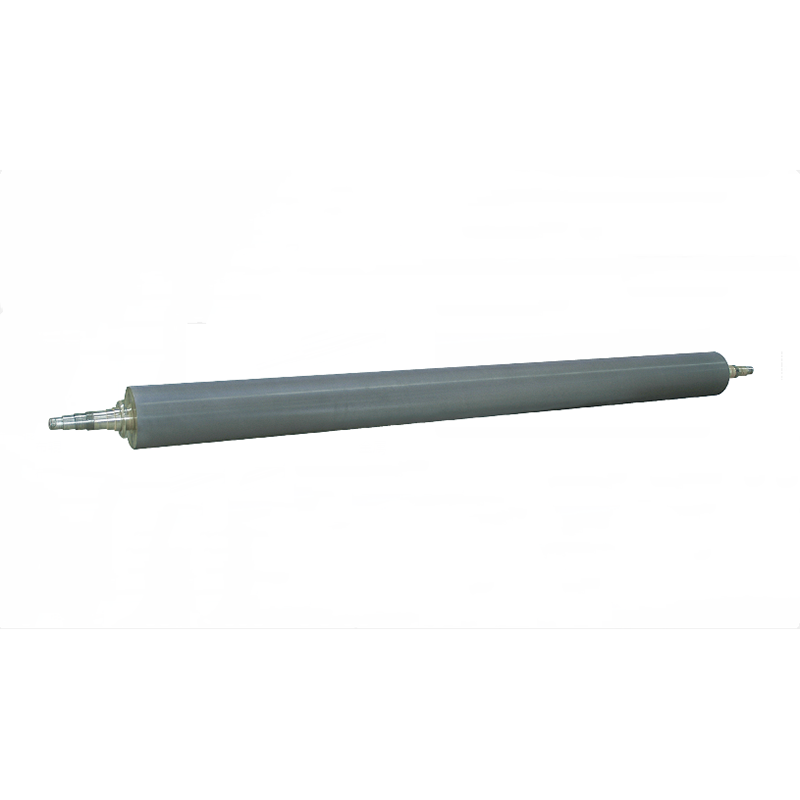
Upgrading your machinery components requires capital. Plant managers must justify this expense through clear operational returns. High-quality rollers deliver measurable financial benefits across several production metrics.
Exact tooth-profile design guarantees uniform flute formation across the entire board width. It prevents load-bearing weak points. When you stack heavy appliances, uniform flutes prevent box collapse. Precision machining ensures every single flute receives the exact same formation pressure. This structural consistency satisfies strict quality control standards from top retail brands.
Maintaining strict Total Indicator Runout (T.I.R.) avoids disastrous deviations. Even a 0.01-inch deviation wastes expensive adhesive. Tight T.I.R. prevents over-application and drops scrap rates significantly. Less glue means a lighter board and lower material costs. When you multiply these savings across millions of running meters, the financial return is substantial.
Premium core materials matter for thermal dynamics. High-quality forged steel ensures even heat distribution across the roller face. You can cut pre-heating times in half. It lowers energy consumption per shift. Operators get the line running faster after cold startups. Consistent surface temperatures also prevent adhesive from gelling prematurely, which minimizes mid-run stops.
Choosing the right surface coating determines your maintenance schedule. Different production speeds and paper stocks require specific metallurgical approaches. Let us evaluate the standard options available today.
Material Option | Pros | Cons | Best Use Case |
|---|---|---|---|
Hard Chrome Plating | Cost-effective initial investment; decent corrosion resistance. | Faster wear rate; requires frequent replacements. | Medium-speed lines running non-abrasive paper. |
Tungsten Carbide | Extreme hardness; resists abrasive paper dust; 2-3x lifespan. | Higher upfront capital expenditure. | High-speed lines running abrasive recycled stock. |
Ceramic Coatings | Extreme thermal stability; excellent ink transfer. | Brittle under heavy physical impact. | Specialized anilox and high-end graphic printing. |
Hard chrome remains a popular entry-level choice. It provides a cost-effective initial investment. Factories appreciate its decent corrosion resistance against water-based glues. However, it suffers from a faster wear rate. Hard chrome is suitable only for medium-speed lines. Running abrasive recycled paper quickly strips the chrome layer away.
Tungsten carbide offers extreme hardness. It resists abrasive paper dust beautifully. Its lifespan is two to three times longer than traditional chrome. It maintains sharp tooth geometry under high-speed stress. While it requires a higher upfront capital expenditure, longer replacement cycles offset this cost quickly. Factories experience far fewer mid-year maintenance shutdowns.
Engineers specify ceramic coatings for extreme thermal stability. Ceramic performs exceptionally well for specialized anilox and ink transfer needs. It holds laser-engraved cell structures perfectly. You must handle ceramic carefully, as it can chip under blunt force. However, for sheer print fidelity, it remains unmatched in the industry.
Creating a structurally sound box is only half the battle. Consumer packaging requires brilliant aesthetics. Managing the final coating phase dictates how the product looks on the retail shelf.
Recycled corrugated boards have highly variable absorption rates. This makes consistent printing incredibly difficult. The surface tension changes from batch to batch. If ink absorbs too quickly, colors look dull. If it sits on the surface, it smears during transit. Operators need a reliable method to standardize the board surface before and after printing.
You need a dedicated varnish roller integrated into your workflow. It works in tandem with the main printing equipment. It applies protective topcoats, whether UV or aqueous. This roller features specialized surface engraving designed specifically for high-viscosity fluids. It ensures a perfectly smooth, bubble-free transfer of protective chemicals over the printed graphics.
The varnish seals the porous substrate completely. It protects against scuffing during transit. Boxes rub against each other inside shipping containers constantly. The varnish layer acts as a sacrificial shield. It also provides the necessary gloss or matte finish required for consumer-facing packaging. A high-quality finish elevates brand perception immediately.
Procuring premium equipment is useless without proper execution. Factory floors present harsh conditions. You must protect your investment through rigorous operational standards and maintenance protocols.
Even premium components will fail prematurely if installed poorly. Hydraulic piston pressure and axial tension must be perfectly calibrated. Uneven pressure destroys the hardened coating. Mechanics must use laser alignment tools during installation. If the journals sit misaligned by fractions of a millimeter, it creates excessive vibration and destroys the bearings.
Cleaning protocols are mandatory for equipment longevity. Adhesive buildup and paper dust act like sandpaper. They cause micro-abrasions on the metallic surface. Facility managers should enforce a strict Standard Operating Procedure (SOP):
Purge all adhesive lines immediately after completing a production run.
Apply OEM-approved cleaning solvents to dissolve hardened starch residues.
Scrub the roller face gently using specialized soft-bristle brushes.
Wipe the surface completely dry to prevent overnight oxidation.
Cover the equipment with protective shrouds to block airborne factory dust.
Do not throw away damaged components. Roller regrinding is a highly sustainable practice. High-quality steel cores can be re-profiled and re-coated multiple times. They typically last 40 to 60 million running meters before requiring a full replacement. Regrinding restores the original geometric precision for a fraction of the cost of buying new.
Purchasing capital equipment requires thorough vetting. Vendors make many promises, but technical specifications reveal the truth. Use this checklist to evaluate potential suppliers before signing a purchase order.
OEM Compatibility: Verify exact dimensional fit. Check speed rating compatibility with existing legacy machines. A slight mismatch in journal diameter will halt installation.
Coating Thickness & Hardness (Durometer): Match the surface engineering to your paper stock. Highly abrasive recycled paper demands thicker tungsten carbide layers.
T.I.R. Certification: Demand documented proof. The manufacturer must supply Total Indicator Runout testing results before acceptance. Never accept equipment without a verifiable inspection report.
Lead Times vs. Inventory: Weigh the cost of custom manufacturing lead times against line-down risks. Keeping a strategic spare on the shelf prevents catastrophic production delays.
Treating a printing roller as a precision asset is a mandatory shift for modern packaging plants. It is not a disposable consumable. When you invest in high-tolerance equipment, you eliminate the root causes of scrap and machine downtime. The initial capital expense pays for itself through massive reductions in starch, ink, and paper waste.
Production managers should take immediate action. Audit your current T.I.R. metrics today. Calculate your annual adhesive and ink waste realistically. Request lifespan return-on-investment models from potential suppliers. By upgrading your corrugating components systematically, you secure your facility's profit margins and dominate the high-end packaging market.
A: A high-quality tungsten carbide roller typically lasts between 40 to 60 million running meters. This represents a lifespan 2 to 3 times longer than standard hard chrome plating. Regular maintenance and proper tension alignment can extend this benchmark further.
A: A varnish roller handles high-viscosity protective coatings rather than standard inks. Its surface engraving is optimized for smooth, bubble-free fluid transfer across the entire board. Standard printing rollers focus strictly on sharp image impression and low-viscosity ink distribution.
A: Yes, they can be reground and recoated. As long as the central steel core remains structurally sound, specialists can strip the old coating, re-profile the teeth, and apply new tungsten carbide. This highly sustainable practice drastically cuts equipment costs.
A: Washboarding happens when excessive or uneven roller pressure forces the flat liner board into the gaps between the flutes. Precision rollers fix this by maintaining absolute dimensional stability and tight T.I.R. tolerances, ensuring pressure is distributed perfectly evenly.


