

close
Choose Your Site
Global
Social Media
Views: 0 Author: Site Editor Publish Time: 2026-03-04 Origin: Site


In high-speed flexography, the microscopic cells of an anilox sleeve directly influence final print quality. Consistent cell volume is a critical factor in achieving predictable and vibrant color. Yet, many print operations overlook the "hidden costs" of inadequate maintenance. These costs manifest as wasted ink, scrapped substrate, and costly, unplanned press downtime. Simply wiping a sleeve clean is not enough. This guide moves beyond surface-level cleaning to establish a systematic maintenance protocol. We will explore how to preserve the very heart of your flexo press, ensuring every anilox sleeve delivers reliable performance and a long service life.
Material Matters: Cleaning protocols must differ for an Alloy-Based Gallus Ceramic Sleeve versus steel-core variants to prevent corrosion.
Chemical Precision: Maintaining a pH range of 6.5–11.8 is vital; exceeding these limits increases the risk of "blistering" and delamination.
Automation vs. Manual: While manual cleaning is a stop-gap, automated systems (Ultrasonic/Laser) typically provide a clearer ROI for high-line-count sleeves.
Proactive Auditing: Regular volume tests are one of the most effective ways to move from reactive "firefighting" to predictable print quality.
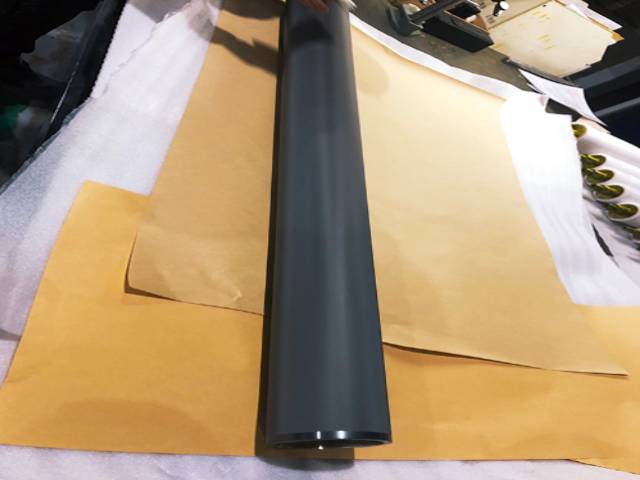
Not all anilox sleeves are created equal. The core material beneath the ceramic surface dictates the cleaning strategy. Using a one-size-fits-all approach can lead to premature failure, corrosion, and costly replacements. Understanding the specific needs of your inventory, whether Gallus or Bobst, is the first step toward effective maintenance.
Many sleeves, particularly those for narrow-web presses like Gallus, use lightweight aluminum or other alloy cores to reduce weight and improve handling. While beneficial for press operations, these materials are highly sensitive to certain chemicals.
Sensitivity to Caustic Chemicals: The primary risk comes from high-pH cleaners containing sodium hydroxide (caustic soda). When these aggressive chemicals come into contact with an aluminum base, a chemical reaction can occur, releasing hydrogen gas. This gas gets trapped beneath the ceramic layer, causing "blistering" or delamination and severely damaging the sleeve.
The Danger of "Leaching": Ceramic coatings are inherently porous on a microscopic level. If harsh solvents or improperly rinsed cleaners are used, they can seep through these pores. This "leaching" effect allows chemicals to attack the crucial bond layer between the ceramic and the alloy core, leading to corrosion from the inside out.
Sleeves designed for wide-web presses like Bobst often feature steel cores and high-density ceramic coatings to withstand higher speeds and pressures. While more robust, they present unique handling and maintenance challenges.
Handling High-Density Coatings: The ceramic on a Bobst-Specific W-H Ceramic Sleeve is extremely hard but also brittle. Careless handling during cleaning or mounting can easily cause edge chipping. Even a small chip may propagate cracks, compromise the doctor blade seal, and shorten the usable life of the sleeve.
Managing Dimensions and Weight: The size and weight of a Ceramic-Coated Bobst Sleeve require specialized handling equipment and procedures. Cleaning protocols must account for safe mounting and dismounting from wash stations or presses to reduce the risk of both operator injury and accidental damage to the sleeve's surface or end-caps.
Regardless of the sleeve type, the choice of cleaning brush is critical. A common and catastrophic mistake is using a brass brush on a ceramic anilox sleeve. Brass is softer than ceramic, and its bristles can break off, lodging microscopic metal fragments inside the anilox cells. This contamination, known as "brassing," reduces cell volume and is extremely difficult to remove. For manual agitation, stainless steel brushes are generally preferred because they are more suitable for ceramic surfaces and are less likely to leave brass contamination behind.
The effectiveness of an anilox cleaning program hinges on understanding basic chemistry. The goal is to dissolve dried ink without damaging the delicate ceramic engraving or the underlying core material. This requires a precise balance, where "stronger" is rarely better.
Most ink cleaning solutions rely on alkaline agents to break down ink binders. The two most common are:
Sodium Hydroxide (Caustic Soda): A highly effective but aggressive cleaner. As discussed, it poses a significant threat to aluminum and alloy-based cores.
Potassium Hydroxide: Another strong alkaline agent that functions similarly to sodium hydroxide in breaking down inks.
The core issue is pH level. The flexographic industry has established a safe operating window for cleaning solutions: a pH between 6.5 and 11.8. Anything below 6.5 is too acidic and can etch the ceramic, while anything above 11.8 is too caustic and increases the risk of a hydrogen gas reaction with alloy cores. This reaction is a common cause of sleeve "bubbles," which are irreversible signs of delamination.
Properly removing the cleaning chemical is just as important as applying it. Chemical residue left in the cells can dry, contaminate ink on the next run, and continue to slowly degrade the sleeve. A systematic rinsing process is essential.
Apply the Cleaning Agent: Use a specialized, pH-appropriate cleaner. Apply it evenly and allow the recommended dwell time for the chemical to break down the ink solids.
Initial Rinse: Use warm water to flush the bulk of the ink and cleaning solution from the sleeve's surface.
Neutralization & Second Rinse: This step is critical. Apply a neutralizing agent or conduct a thorough second rinse to remove alkaline residues from the deep recesses of the cells as completely as possible.
Final Rinse: A third rinse acts as a final polish, removing remaining traces of chemicals.
Thorough Drying: Use clean, oil-free compressed air to remove all moisture as thoroughly as possible. Trapped water can lead to corrosion, especially around the end-caps.
To ensure consistency and safety, you should implement a formal monitoring process. Operators can use pH testing strips or a digital meter to check the concentration of their cleaning solutions at the start of every shift. A mandatory logbook should record the date, time, operator, and pH reading. This data trail helps troubleshoot print issues and demonstrates that protocols are being followed, helping protect valuable sleeve inventory.
Choosing the right cleaning method involves balancing initial investment (CAPEX), long-term operational costs (OPEX), performance, and safety. Each technology has a distinct profile, and the best choice depends on your specific ink systems, run volumes, and quality requirements.
| Cleaning Method | Initial Cost (CAPEX) | Performance & Effectiveness | Key Risks & Considerations |
|---|---|---|---|
| Manual Scrubbing | Very Low | Inconsistent. Effective for surface cleaning but limited in reaching deep into high-line-count cells. Highly operator-dependent. | High risk of physical damage from excessive pressure. Inconsistent cell volume recovery. Chemical exposure for operators. |
| Ultrasonic Cleaning | Medium | Excellent deep-cell penetration for most ink types, especially water-based and UV. Delivers highly consistent results when properly managed. | Potential for ceramic micro-cracking due to "hot spots" if the sleeve is not properly rotated. Requires pH-safe chemicals. |
| Laser Ablation | Very High | Often regarded as the "gold standard." Vaporizes dried ink with a focused laser beam, restoring cells close to original volume with extremely high precision. | High initial investment. Incorrect settings can damage ceramic. No chemicals or water needed, making it a highly sustainable option. |
| Chemical Wash Stations | Medium to High | Fast, automated process ideal for high-volume shops. Good consistency but may be less effective than ultrasonic or laser cleaning on heavily dried inks. | Requires careful chemical management and disposal. Relies on the quality of the cleaning solution. Risk of damage if inappropriate chemicals are used. |
Manual Scrubbing: Best reserved for quick, on-press spot cleaning between short runs. It should not be the primary method for deep cleaning, as it cannot consistently guarantee uniform cell cleanliness.
Ultrasonic Cleaning: This method uses high-frequency sound waves in a liquid bath to create microscopic cavitation bubbles. These bubbles implode against the sleeve's surface, dislodging dried ink from the bottom of the cells. It is a highly effective method when managed correctly.
Laser Ablation: This non-contact technology is one of the most precise and gentle options for the anilox surface. It offers outstanding cleaning power without the same level of chemical corrosion or physical abrasion risk associated with some other methods, making it well suited for high-value, high-line-count sleeves.
Chemical Wash Stations: These automated systems spray cleaning solutions and rinse water onto a rotating sleeve. They offer a good balance of speed and automation for busy narrow-web converters who need rapid turnaround.
Beyond formal cleaning procedures, daily press-side habits have a profound impact on the longevity and performance of your anilox inventory. Integrating these simple, proactive "hacks" into your standard operating procedures can prevent many common causes of sleeve damage.
This is one of the most important rules in anilox care. If a doctor blade is engaged against a rotating anilox sleeve without a lubricating film of ink, two things happen. First, the friction generates heat, which can cause ink remnants to bake hard inside the cells. Second, the dry blade acts like a brake, causing unnecessary wear. Even during brief press stops, you should either disengage the doctor blade or keep the anilox turning slowly in the ink pan so it remains lubricated.
The relationship between the anilox sleeve and the doctor blade is symbiotic. An improperly set doctor blade can damage a sleeve faster than many other factors.
Incorrect Blade Pressure: Excessive pressure does not improve metering; it primarily accelerates wear. The blade tip begins to act as an abrasive, gradually wearing away the ceramic surface over time. This leads to premature volume loss and scoring lines. Set blades to the minimum pressure required to achieve a clean wipe.
Ink Circuit Contamination: Small metal fragments from doctor blade wear, press components, or contaminated ink can get trapped between the blade and the anilox. These fragments are dragged across the sleeve, carving a score line that may appear as a streak in the final print. Using magnets and filters in the ink delivery system helps capture this debris before it reaches the chamber.
How you store your sleeves when they are not in the press is crucial for preventing damage. A sleeve leaning against a wall creates a high risk of accidental damage.
Use Dedicated Racking: Invest in proper vertical or horizontal racking systems. These racks secure each sleeve individually, preventing them from rolling into each other or falling.
Use Protective Covers: Place a protective, padded cover over the sleeve's surface during storage and transport whenever possible.
Ensure Breathability: The covers should be made of a breathable material. Plastic shrink-wrap can trap moisture against the sleeve, leading to hidden corrosion, especially at the end-caps where steel meets the core material.
You cannot manage what you do not measure. Moving from a reactive to a proactive maintenance culture requires objective data on the condition of your anilox inventory. Visual inspection alone is not enough to reliably guarantee print quality.
A common misconception is that a shiny anilox sleeve is a clean anilox sleeve. In practice, this is often misleading. A sleeve can appear perfectly clean to the naked eye while its microscopic cells are still 30% or more clogged with dried ink. This hidden plugging leads to weak color density, failed color matches, and wasted time on press trying to compensate for a deficient anilox.
To get an accurate picture of an anilox sleeve's condition, you must measure its cell volume. Two primary methods are used in the industry:
Liquid-to-Paper (e.g., Capatch): This is a simple, effective method for a quick press-side check. A strip with a known volume of indicator fluid is pressed against the anilox. The length of the stain on the strip corresponds to the anilox cell volume. It provides a useful benchmark but is less precise than digital methods.
Digital Microscopy (e.g., Interferometry): This is the most accurate method. A specialized microscope scans the cell topography and uses software to calculate the precise volume (BCM/cm³). This tool is essential for diagnostics and for creating a detailed historical record of each sleeve.
Best Practice: Every new anilox sleeve should be audited upon arrival. This establishes its "as-new" baseline volume. All subsequent audits can then be compared against this initial reading to track wear and plugging over time.
Regular audits—quarterly or semi-annually depending on usage—create a performance history for each sleeve. By tracking the rate of volume loss, you can more accurately predict when a sleeve will fall below the acceptable tolerance for a specific job type. This data-driven approach allows you to schedule reconditioning or replacement proactively, helping prevent print failures during critical live jobs. It transforms inventory management from guesswork into a more predictable process.
Having the right tools and knowledge is only half the battle. True success comes from embedding these best practices into your company's culture, from the receiving dock to the pressroom floor. It requires standardized protocols, thorough training, and a clear understanding of the financial benefits.
Anilox care begins the moment a new sleeve arrives at your facility. Implement a mandatory check-in procedure:
Inspect the Crate: Check the shipping crate for any signs of external damage before signing for the delivery. Document any issues with photos.
Unpack and Examine: Carefully unpack the sleeve and inspect its surface for any dings, scratches, or chips that may have occurred in transit.
Check End-Caps: Ensure the end-caps and journals are secure and undamaged.
Conduct a Baseline Audit: As mentioned, perform an initial volume measurement to establish its starting point. This helps identify faulty sleeves early and provides the foundation for lifecycle tracking.
The goal of training is to shift the operator's mindset from "washing a part" to "caring for a precision instrument." Training sessions should not just cover the "how" but also the "why." Explain the financial impact of a damaged sleeve—the cost of replacement, the lost press time, the wasted materials. When operators understand the value of the components they handle, their level of care and attention to detail typically increases significantly.
To secure management buy-in for better equipment or training, you must speak their language: Return on Investment (ROI). Frame the investment in an automated cleaning system not as a cost, but as a solution to existing expenses. You can calculate the payback period by quantifying the savings from:
Reduced Ink Waste: Faster color matching means less ink is used to get up to color.
Decreased Substrate Scrap: Getting to sellable print faster reduces startup waste.
Increased Press Uptime: More predictable performance means fewer unscheduled stops to troubleshoot color issues.
Extended Sleeve Life: Proper automated cleaning can significantly extend the usable life of an anilox sleeve, delaying new capital expenditures.
Presenting a clear financial case makes the transition to a proactive maintenance culture a sound business decision.
Effective anilox sleeve maintenance is a total lifecycle management approach, not a series of isolated cleaning tasks. It starts with a meticulous arrival inspection, continues with daily press-side discipline, and is verified through objective data from regular audits. By moving away from reactive "firefighting" and embracing a proactive culture, you transform your anilox inventory from a consumable expense into a more predictable, high-performing asset. The ultimate recommendation is to match your cleaning technology and chemical protocols to your specific inventory. Understanding the unique metallurgy of an Alloy-Based Gallus Ceramic Sleeve versus a steel-core variant is key to maximizing the lifespan and print quality of every sleeve in your plant.
A: A light on-press clean should occur after every job. A thorough deep clean should be performed at least weekly for heavily used sleeves. However, the best practice is audit-based cleaning. When a volume audit shows a sleeve is becoming plugged, it is time for a deep clean using a method like ultrasonic or laser ablation, regardless of the weekly schedule.
A: Not always. The effectiveness of a cleaner depends on its ability to dissolve the specific resin system of the ink. While some dual-purpose cleaners exist, it is often more effective to use a cleaner formulated specifically for the ink type you are trying to remove. Always check the cleaner's specifications for compatibility with your ink system.
A: The safest method is to use pH-neutral or mildly alkaline cleaners (pH 7.0-10.5) combined with an automated system like a chemical wash station or laser cleaning. This approach helps avoid the risk of caustic chemicals reacting with the aluminum core. Manual scrubbing should be done gently with a stainless steel brush and approved chemicals.
A: If deep cleaning does not sufficiently restore volume, there are two likely causes. The first is permanent plugging, where ink has hardened so intensely that it cannot be fully chemically dissolved and may require laser ablation. The second is abrasive wear from excessive doctor blade pressure or contaminated ink, which has physically worn down the ceramic cell walls. Audits can help distinguish between plugging and wear.
A: In most cases, yes—when performed by a trained professional with the correct equipment. Modern laser cleaning systems use specific parameters (power, frequency, focus) tailored to different ceramic densities and engravings. The process is a non-contact, non-abrasive method that vaporizes ink while minimizing thermal impact on the underlying ceramic, making it suitable for virtually all common anilox sleeve constructions when properly controlled.


